 Sorrento City Guidebook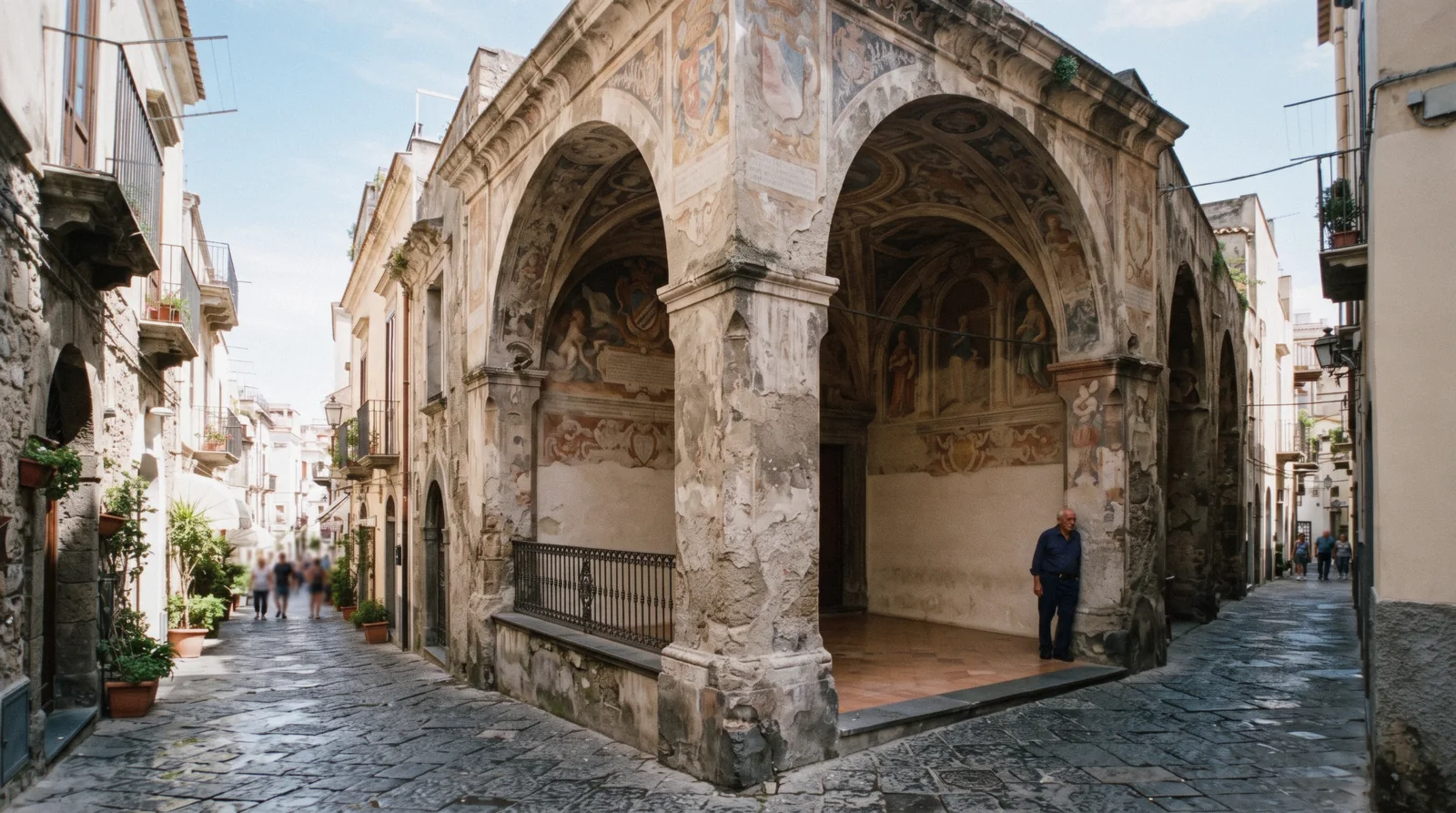
Sedile Dominova: the old nobility's loggia in Sorrento
Sedile Dominova is the small open loggia on a corner square off Via San Cesareo, and it is the last visible testimony in the whole region of the palace where a city's aristocracy used to govern. The Sedile Dominova was built as the meeting seat of Sorrento's noble families, kept its frescoes and majolica dome through four centuries, and since 1877 has housed the town's workers' mutual aid society, whose plaque is fixed to the front wall. This page covers what a sedile actually was, the frescoes and the lozenges on the corner, how to find it between the Duomo and Piazza Tasso, and how much of your day the stop deserves, which is less than you think and more than zero.
Quick answer What the loggia was, why it is free, and where to find it in the lanes
The Sedile Dominova is Sorrento's 16th-century nobility loggia, an open arcaded hall where the patrician families met to govern the town, and the last surviving seat of its kind in the region. It is free to view from the street at any hour; since 1877 the building has housed the Società Operaia di Mutuo Soccorso, the workers' mutual aid society, which still occupies the interior.
Key takeaways
- There is no ticket and no hour to beat; the loggia earns its stop as part of the old town walk along Via San Cesareo, two minutes from the Duomo
- A guided walking tour of the historic centre puts the loggia in its story; the free version is this page and the plaque on the wall
- The frescoes and the majolica dome date from the 18th century, and the corner carries the lozenges of Sorrento beside the Angevin lilies
Key facts
Opening hours
| Daily, all year | Open ground, viewable from the street at any hour |
|---|
Closed None. The loggia stands open on a public corner; the interior club room is for the society's members, not visitors
Admission
- Adult
- Free. No ticket, turnstile or barrier exists for the Sedile Dominova
- Free
- Everything you see from the street: the arches, the frescoed walls, the tiled dome and the corner statues
Planning it
- Time needed
- Not stated by any official source, because no managing body publishes one; our routing: 5 to 10 minutes with the inscription panel
- Address
- Largo Dominova (off Via San Cesareo), 80067 Sorrento (NA), Italy
Visiting the Sedile Dominova and the lanes around it
The free row below is the sight itself, checked on 12 September 2026; the guided rows are the two walking tours that cover the lanes where the loggia stands, priced as listed on the platform the same day.
The loggia costs nothing, so the only money decision is whether a guided walk adds the context the bare walls do not explain.
| Option | Price | What you get | Cancel | Book |
|---|---|---|---|---|
| The loggia itselfAnyone happy to read this page, stand in the square and read the plaques | Free (no ticket exists) | The arches, the frescoes, the tiled dome, the corner lozenges, the society's plaque | Nothing to cancel | Official site |
| Walking tour with a local guide, 2.5 hFirst-morning visitors who want the whole historic centre decoded in one loop | $57 listed | A private orientation walk through the lanes, loggia included in the route area | Free up to 24 hours before | Check Availability |
| Walking tour with tastings, 2 hWalkers who want the lanes plus olive oil and limoncello stops at the end | $41 listed | A two-hour private walk through the old town with two tasting stops | Free up to 24 hours before | Check Availability |
The loggia has no ticket office and no managing body that sells entry, so the free row links the city's official tourism portal instead. Platform prices are the listed USD figures on 12 September 2026; the platform bills in your account currency.
Walking tours that cover the loggia's lanes
No platform sells a tour inside the Sedile Dominova; the honest products are the centre walks whose routes cross Via San Cesareo and the streets around it. Every card links to the operator's own page, where the date calendar shows live availability. Prices are the listed USD figures checked on 12 September 2026.
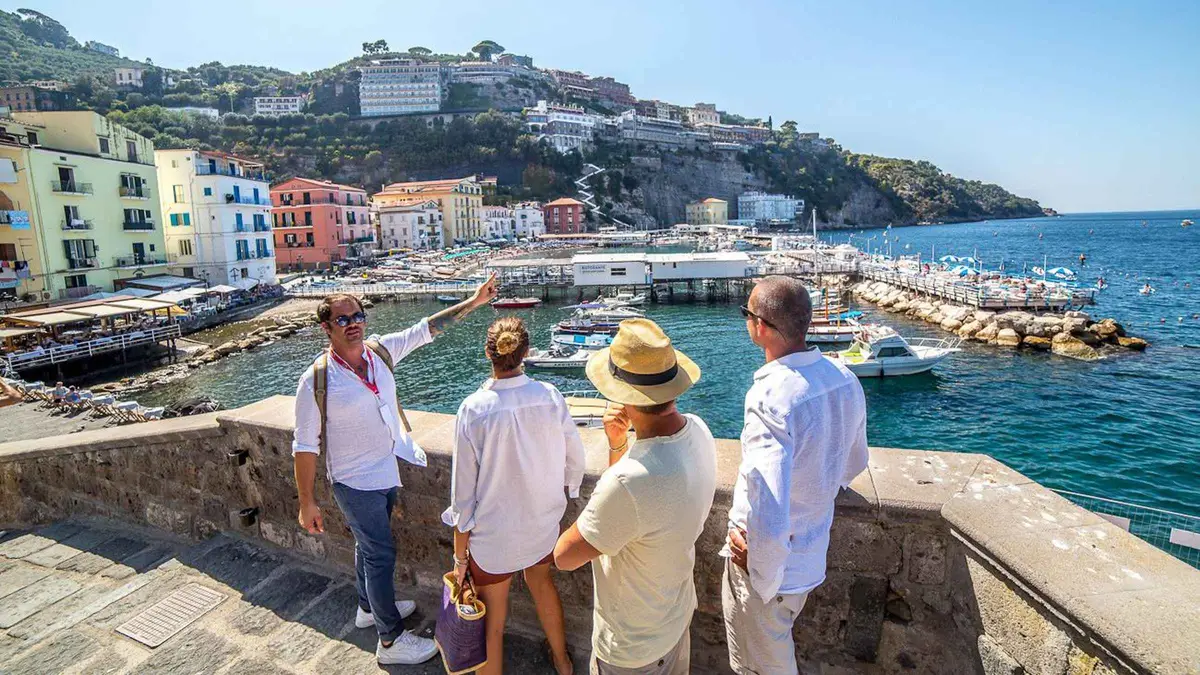 from $57
Sorrento: Walking Tour with Local Guide
A 2.5-hour private orientation walk with a local guide — the first-morning option.
Check Availability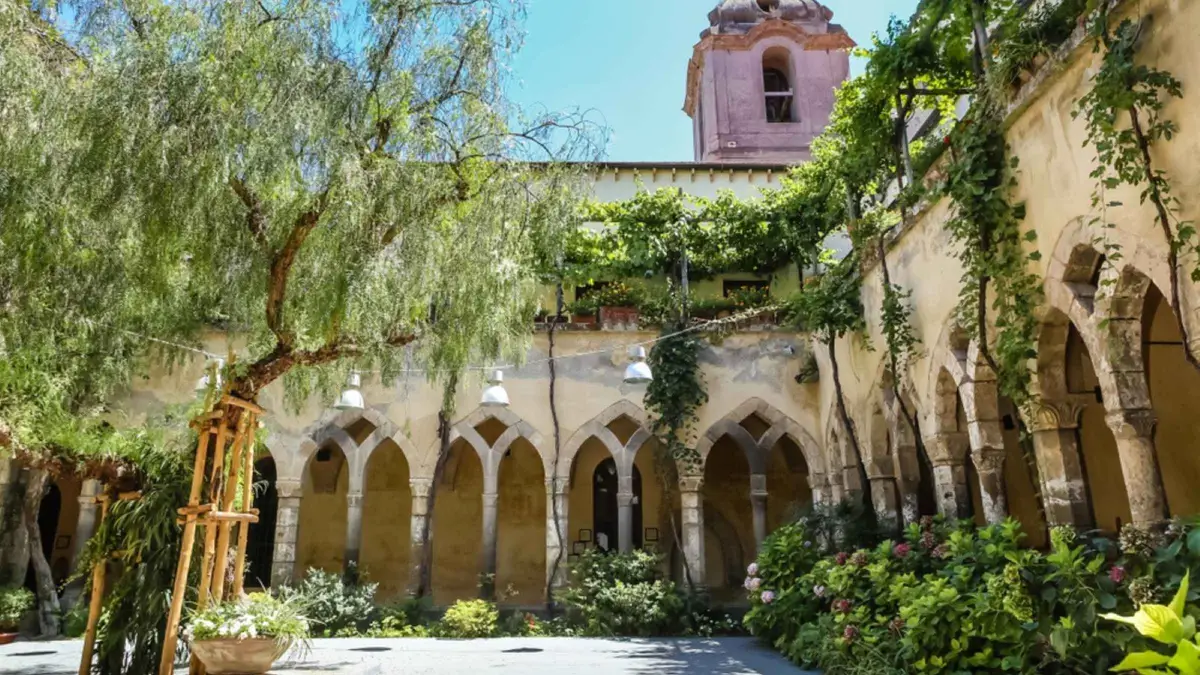 from $41
Sorrento: Walking Tour with Olive Oil and Limoncello Tasting
A two-hour private walk through the old town with olive oil and limoncello tasting stops.
Check Availability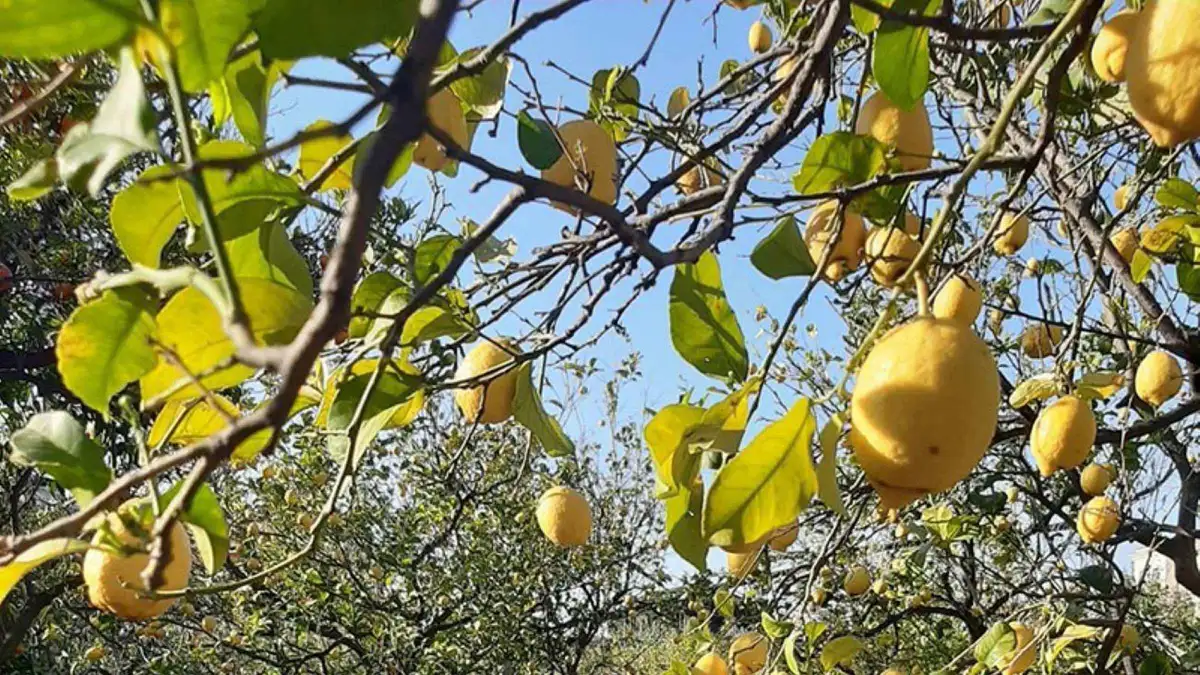 from $93
Sorrento Experience: Heritage Walk, Sea Views & Lemon Tour
A three-hour small-group heritage walk that ends at a lemon grove above the town.
Check AvailabilityPrices, ratings and details are the platform's own, checked in Q3 2026; dollar figures are the listed prices — the platform bills in your account's currency.
What a sedile was
A sedile was the seat, in the literal sense of the bench and the building, where a coastal town's aristocracy met. In the medieval and Renaissance towns of Campania, government happened in open loggias: the noble families, listed by name on the walls, gathered under arches that stayed open to the street, heard disputes, levied taxes and ran the port, in full view of the same population they governed. The building was a parliament without a door.
Sorrento had more than one such seat, and the Dominova was the one that survived. Every other palazzo del sedile in the region has been rebuilt, absorbed or demolished, which is why the guides keep repeating the phrase that matters: the Sedile Dominova is the last visible testimony of the type in the whole area. Stand under the arches and you are standing in the shape of the institution itself, not in a reconstruction of it.
The families who met here carry names that still sit over shop doors in town: Vulcano, Mastrogiudice, Sersale, Capace, Nobilione, Donnorso, Boccia, Orefice, Marziale, Cortese and the rest of the roll the histories print. The list is worth ten seconds of reading because it explains the town's later geography; the palazzi these families built around the centre became the hotels and banks of the modern street plan, and the noble roll call of the loggia is the beginning of the old town you walk today.
The date question, honestly: sources disagree. The standard description gives a sixteenth-century loggia, while some accounts carry the building's fabric back to a fifteenth-century structure that changed little over time. No official body publishes a foundation year, and we print the range rather than pick a side: the sixteenth-century dating follows the Italian Wikipedia treatment of the building, the fifteenth-century fabric the town histories.
The loggia, the frescoes and the dome
The building opens to its small square on two sides through large round arches cut in piperno, the grey volcanic stone the whole town's old fabric is made of, with squat archaic capitals holding the archivolt. The open corner is the design's point: a sedile that closed itself off would have stopped being a sedile.
Look up and the building gets richer. The dome, added after the main structure, is covered in riggiole, the painted majolica tiles the region is known for, laid by the Neapolitan tile artist Chiajese in the 18th century. The external walls carry frescoes with allegorical figures, angels, cherubs and crowns, attributed to the school of the Sorrento painter Carlo Amalfi, and all the visible paintings date from the 18th century. On the top corner stand the two emblems worth knowing before you photograph them: the lozenges of Sorrento, the city's coat of arms, beside the Angevin lilies of the French royal house, a reminder of which kingdoms this coast passed through.
The interior is not a museum space. The hall behind the arches belongs to the working club that has occupied the building since 1877, and visitors look at the architecture from the square, not from inside the armchairs. The frescoed walls fade; the dome tiles glaze in the late afternoon; the best light for the square is the hour before sunset, when the arches throw shade across the fountain side.
Who uses it today: the workers' society inside
Since 1877 the building has housed the Società Operaia di Mutuo Soccorso, the Workers' Mutual Aid Society of Sorrento, an association created to guarantee the first forms of mutualism for the town's workers. The plaque on the palace front says exactly that, and the continuity is the remarkable part: a building raised for nobles to govern became a clubhouse for the people who built the town's boats and picked its lemons, without changing its walls.
The membership rolls tell you what Sorrento was. Until the years after the Second World War the society's members were dominated by inlay artisans, orange and lemon cultivators, sailors and tourism workers, the four trades the town actually ran on, and between the late 1800s and the early 1900s the decisions taken in this room shaped the working future of the whole town.
One story earns the plaque a full read. The American politician and lawyer William Waldorf Astor, staying long on this coast, attended the society and donated 25,000 francs to its treasury. The Latin inscription the scholar Enrico Cocchia composed for the internal hall records the gift and its date of 27 April 1909, and adds that the donation gave the fellowship a fifty-year step forward. The plaque remains, and the Astor gift is one of the recurring tales the society's own circles still tell.
The society's later history is a survival story: a crisis before the First World War, the Great Depression, unemployment, the failure of the Banca Astarita, pressure from the fascist regime that produced a verbal eviction notice in 1938, luckily avoided, and mutualist work, subsidies and pensions, that carried on into the 1960s. None of it is signposted for tourists; all of it is in the histories of the building.
Finding it in the lanes
The Sedile Dominova stands on its own small wedge of ground, Largo Dominova, off the lane of Via San Cesareo, roughly halfway between the cathedral and Piazza Tasso. The square is sometimes called Largo dello Schizzariello, the splash, after the fountain that stands on it, and the name is a useful second handle when asking directions.
Three walk times do all the navigation anyone needs, estimated from the verified GPS pins: two minutes from the Duomo's west side, where Via San Cesareo begins its run of shops and inlay workshops; about four minutes from Piazza Tasso, cutting off the main street behind the Carmine church; and about five minutes from the cloister of San Francesco, which makes the cloister, the loggia and the cathedral a single tight loop of the centre. The Vallone dei Mulini parapet at the square's other end adds three minutes and one deep look down.
Two practical notes. First, the lanes here are pedestrian and narrow, so the loggia is unreachable by car; the garages sit on the edge of town, and the practical move is described on the parking in Sorrento page. Second, the corner is easy to walk past: the arches are wide but the building is the colour of the stone around it, and first-time visitors regularly stand beside it looking for it. The fountain and the tiled dome are the landmarks that work.
How much time to give the Sedile Dominova
No managing body publishes a duration, and the honest answer is a stop, not a visit. The table routes the three realistic versions; walk minutes are our estimates from the GPS distances.
Choose by the day you are having: on a port call the walk-past is already worth it, and on a slow centre morning the loggia is the hinge between the Duomo and the cloister loop.
| Routing | Time | What it covers | What it skips |
|---|---|---|---|
| The walk-past | About 5 minutes | The arches, the fountain square, the corner lozenges, one photograph | The plaques, the society's history, the fresco details |
| The proper stop | 10 to 15 minutes | The inscriptions including the Astor plaque line, the dome tiles, the lane north to Via San Cesareo | The cathedral interior and the cloister, which deserve their own minutes |
| With a guided walk | 2 to 2.5 hours for the whole centre | The loggia in context: the sedile system, the noble families, the old town's lanes and stories | The beaches and the ports; those are separate hours |
Dos and don'ts at the Sedile Dominova
Five decisions that make the stop work, all argued in the sections above.
Do
- Come at the hour before sunset, when the arches shade the square and the dome tiles take the warm light
- Read the wall plaques, especially the Astor inscription line; the building's second life is the better story
- Fold it into the old town loop with the Duomo and the cloister, five minutes each way
- Use the fountain square as the landmark; the loggia is the colour of the stone around it and easy to overshoot
- Look up: the riggiole dome and the corner lozenges are above eye level and half the visitors never see them
Don't
- Don't expect to walk into the hall; the interior is the workers' society's club room, not a museum floor
- Don't drive to it; the lanes are pedestrian and the garages sit on the edge of town (parking in Sorrento)
- Don't budget it half an hour; five to fifteen minutes is the honest range and the lanes reward the surplus
- Don't confuse it with Piazza Tasso; the loggia is the small, quiet square, not the bus-turning main one
- Don't eat at the first table on the square without reading the displayed menu; the lanes two steps away price differently
Five things most visitors do not know about the Sedile Dominova
The details that change what you are looking at, each with its source in brackets:
- It is the last one. In the whole region the Sedile Dominova is the final visible testimony of the palazzo del sedile, the open hall where the aristocracy's council met [About Sorrento, Sedil Dominova].
- Nobles governed here; workers have met here since 1877. The Società Operaia di Mutuo Soccorso took the building for mutual aid, and its members were the inlay artisans, lemon growers, sailors and tourism workers of the town [About Sorrento, Sedil Dominova].
- An American plutocrat bailed the society out. William Waldorf Astor donated 25,000 francs, recorded on a Latin plaque dated 27 April 1909 that credits the gift with giving the fellowship a fifty-year step forward [About Sorrento, Sedil Dominova].
- The dome is 18th-century majolica, not old stone. The Neapolitan tile artist Chiajese laid the riggiole covering, and the frescoed walls with angels, cherubs and crowns are the school of Carlo Amalfi, all 18th-century work [About Sorrento, Sedil Dominova].
- The square has a second name. Largo dello Schizzariello, the splash, comes from the fountain on the square, and locals answer to it faster than to the loggia's title [About Sorrento, Sedil Dominova].
Sedile Dominova map: the loggia and the lanes around it
The loggia pin is the Wikidata coordinate for the building; the other pins are the verified sights within a five minute walk, with walk minutes estimated from GPS distances.
Nearby Sedile Dominova: the three stops that pair with it
Walk minutes are our estimates from the GPS distances between the verified pins, starting from the loggia's square.
Sorrento Cathedral
The working cathedral with the painted central nave and the Romanesque bell tower. Free to enter, and it keeps hours that have nothing to do with the loggia's, so the pair always works.
2 min, south down the laneBasilica di Sant'Antonino
The patron saint's own church, with the crypt where the town's devotion actually happens and the whale bones in the porch. Free, and never crowded on the loggia's scale.
3 min, north past the archbishop's palacePiazza Tasso
The loud, bus-turning square the loggia is the antidote to. Cross it for the parapet view into the gorge and the statue of the poet.
4 min, east behind the Carmine churchSedile Dominova questions
What was the Sedile Dominova used for?
It was the meeting seat of Sorrento's noble families, one of the open loggias where a coastal town's aristocracy governed in public, hearing disputes and running the town from under the arches. Since 1877 it has housed the Società Operaia di Mutuo Soccorso, the workers' mutual aid society, which still occupies the interior.
Is the Sedile Dominova free to visit?
Yes, entirely: there is no ticket, gate or barrier, and the loggia is viewed from the street at any hour of any day. The interior hall is the working club's room and is not a visitor space; everything worth seeing, the arches, frescoes, dome and plaques, reads perfectly from the square.
Can you go inside the Sedile Dominova?
Not as a tourist rule of thumb. The hall behind the arches belongs to the workers' society established there in 1877, and no visiting hours are published for it. The architecture was designed to be seen from the street, which is exactly how the nobility wanted their government displayed.
Where exactly is the Sedile Dominova in Sorrento?
On Largo Dominova, the small square off Via San Cesareo in the historic centre, about two minutes from the Duomo and four from Piazza Tasso. The fountain on the square gives it its second name, Largo dello Schizzariello, and the tiled dome is the landmark to aim for.
How old is the Sedile Dominova?
Older than it looks and honestly dated as a range: the standard description gives a sixteenth-century loggia, while some accounts carry the fabric back to a fifteenth-century structure that changed little over time. The frescoes, the majolica dome and the corner emblems are 18th-century additions, so the building layers its centuries visibly.
How much time do you need at the Sedile Dominova?
Five minutes for the photograph and the arches, ten to fifteen if you read the plaques including the Astor inscription. No official duration exists because no managing body runs the building; it is a stop on the old town loop, not a destination that consumes an hour.
Where the Sedile Dominova fits in a day
The loggia has no bad hour because it has no door, but it earns two slots in particular. In the morning it is the natural third stop of the one-day itinerary: the Duomo, the loggia and the cloister make a tight loop of the centre that finishes at the Villa Comunale before lunch. In the evening it is a drink stop; the lanes around it hold the town's aperitivo tables, and the square empties just enough for the arches to photograph cleanly at sunset. The name gets typed next to restaurants almost as often as next to the loggia, and the honest answer is that the tables on Largo Dominova itself are drinks territory; the eating streets two lanes east are compared on the where to eat page.
On a wider stay it behaves the same way across days: the two-day and three-day plans cross it on every town morning because the geography of the lanes leaves no alternative, and none of them is wrong to. A guided walk folds it into the centre's story in one loop; the free version is the plaques and this page.
The pick, in one sentence: give the Sedile Dominova ten minutes on your first old-town morning, read the plaque about the Astor money, and let it recalibrate how you read every other arch in town. When the town part of the plan is settled, the Sorrento city guide front page keeps the rest of the site one click away.
Sedile Dominova on film
Three walk-throughs verified on YouTube: what the place actually looks like before you book anything.
Sedile Dominova Gentlemans Club Sorrento
Verified via oEmbed (Barrie Crampton); matched query 'sedile dominova sorrento'.
Video: Barrie CramptonCafe Sedil Dominova Sorrento
Verified via oEmbed (Barrie Crampton); matched query 'sedile dominova sorrento'.
Video: Barrie CramptonSorrento 🇮🇹 – A Campanian Walk | 4K HDR Walking Tour
Verified via oEmbed (Tourister); matched query 'sedile dominova sorrento'.
Video: TouristerVideos load from YouTube only when you press play.
Reviewed Q3 2026 (July–September 2026); next review Q4 2026. Prices, hours and terms are set by the venue or operator and confirmed at checkout.
We may earn a commission if you book through one of our links, at no extra cost to you. Full affiliate disclosure